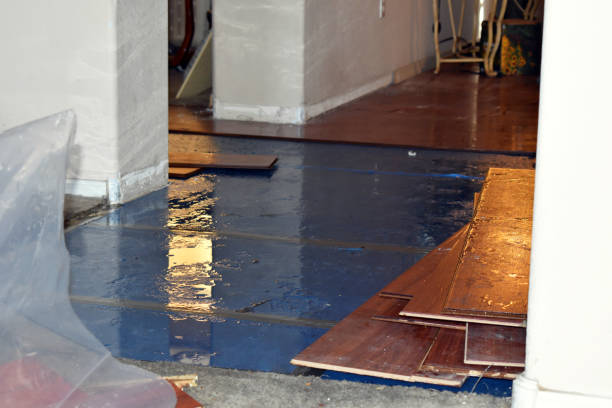
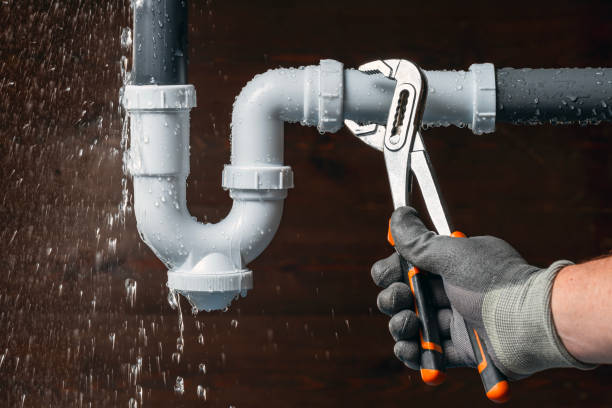
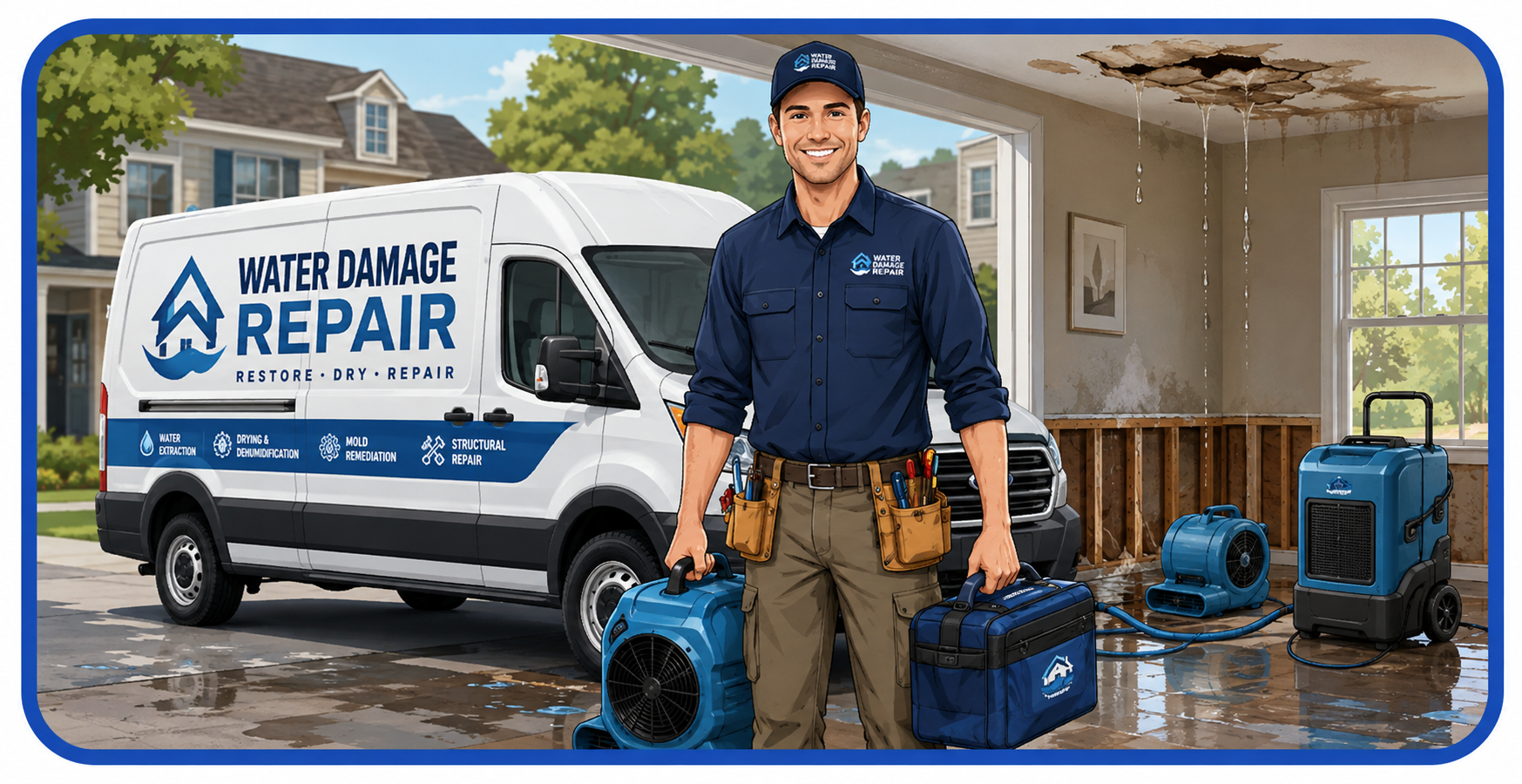
Center Line sits on a mix of older plumbing and newer builds, and our crew has pulled water out of both, which is why the truck that shows up already has the right extraction head for your situation.
Call +1-844-578-1604
Crews staged inside Center Line limits
Written estimate, no hidden line items
Licensed & insured, verifiable on request

Aqua Guard Water Damage didn't parachute into Center Line with a rented truck and a stock script. Our technicians have worked this market long enough to know which neighborhoods sit low, which ones have older cast-iron plumbing, and which zip codes call in during every heavy storm.
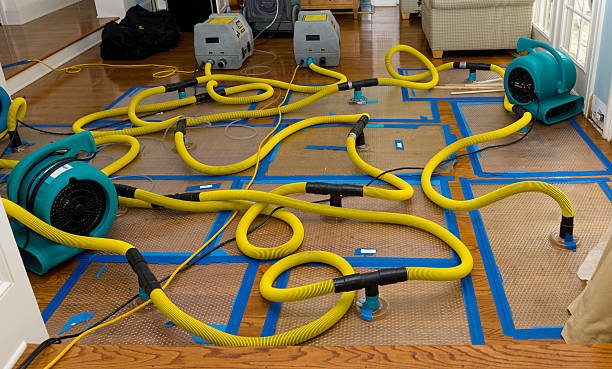
Every Center Line truck carries moisture meters, thermal cameras, and both standard and low-grain-refrigerant dehumidifiers, because a one-size drying setup doesn't work for every kind of Center Line home.
Ongoing training matters more to us than a certificate on the wall — drying standards and equipment change, and our crews train against the current standard, not the one from five years ago.
Not every water problem announces itself with a flooded floor. Most start quietly, and catching one of these signs early is usually the difference between a same-day fix and a much bigger repair.
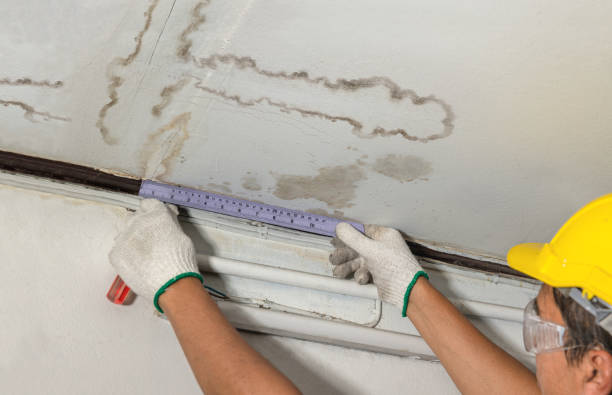
Repainting over a recurring ceiling stain treats the symptom, not the leak still feeding it from above or behind the surface. The stain returning is the actual diagnosis.
A smell that gets stronger after rain is a strong hint that groundwater or a foundation crack is letting moisture in during wet weather.
A hollow sound from tile that used to sound solid usually means the mortar bed lost adhesion from sustained moisture underneath.
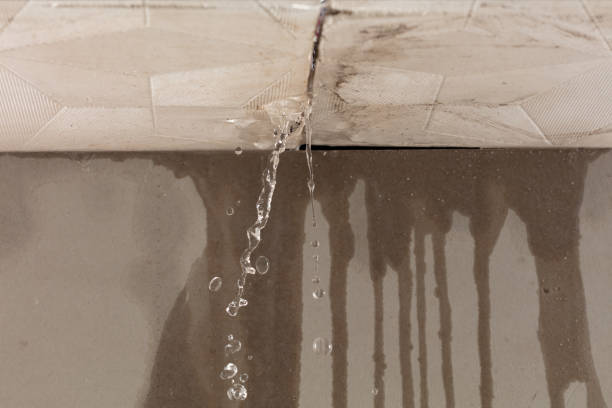
The sound of running water when every fixture in the house is off is one of the more reliable early warnings of a hidden leak.
Bubbling paint near a baseboard or exterior wall usually means moisture is pushing through from behind rather than a simple application defect.
Dark spotting around grout lines or window frames is frequently the first visible sign of a developing moisture problem.
Catching two or more of these signs at once usually means it's past time for a proper inspection.
We don't split Flood Damage Cleanup into separate vendors for extraction, drying, and repair — one crew stays accountable for the whole job, from the first wet-vac pass to the final coat of paint.
The equipment on our trucks scales up or down to the job, but the process — assess, extract, dry, verify, repair — doesn't change.
The first hour after a water loss decides how much of the structure is salvageable, which is why extraction is always the first truck-mount job, not an afterthought behind paperwork.
We don't call a structure dry based on a visual check — the moisture meter has the final say before equipment comes down.
Blackwater intrusions call for full PPE, controlled removal of porous materials that can't be sanitized, and hospital-grade disinfection before any reconstruction starts.
If mold has already started, containment with negative air pressure goes up before any demolition begins, so spores don't travel to unaffected rooms.
One contract from extraction through reconstruction means you're not managing two separate companies and two separate invoices.
We inventory and relocate contents that need to leave the affected area, then coordinate their return once the space is verified dry.


This is the same sequence every job follows, whether it's a single flooded room or a full commercial loss.
Real person, real questions, fast routing — the goal is getting a truck moving within minutes of hanging up.
Photo and moisture documentation happens before any equipment gets touched, which protects your insurance claim later.
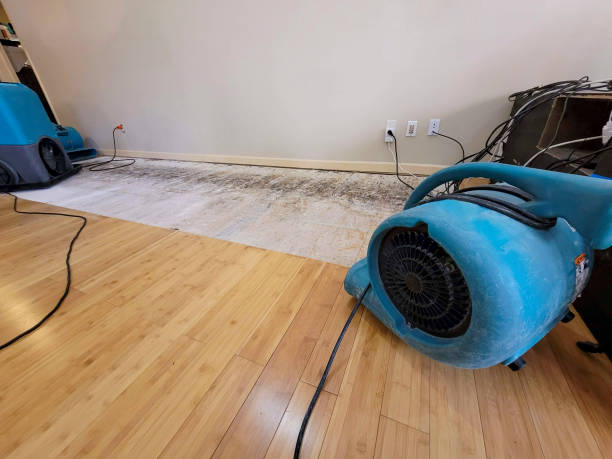
Standing water comes out first with commercial extraction equipment, then air movers and dehumidifiers go to work based on the readings just taken.
Every affected area gets re-tested before we call the job complete — no shortcuts on the sign-off.
None of these four things matter in isolation — it's the combination of licensing, speed, honest pricing, and a real guarantee that actually changes the outcome of a water emergency.
Every technician carries IICRC certification, and every crew works fully insured — documentation available whenever you want it.
A nearby crew isn't a slogan — it's the gap between drying equipment running in an hour versus half a day.
You get a written estimate before equipment turns on, not a surprise invoice after the fact.
Every job closes with a documented re-inspection, not a handshake and an invoice.
If our readings don't hit a safe drying standard on schedule, equipment stays running at our cost until they do — that's the bar we hold ourselves to.
The standard doesn't change based on job size — a single bathroom flood gets the same sign-off criteria as a full commercial loss.
Call +1-844-578-1604Whether your address sits in 48015 or a neighboring zip, the same crew and the same response standard applies.
Coverage extends past the city core into the surrounding Center Line suburbs, so an outlying address isn't treated as a second-tier call.

"Our water heater gave out overnight and by the time I found the pool of water it had already crept under the cabinets. The crew here in Center Line had it extracted and drying equipment running before I finished my coffee."
Renee A., Center Line"The daily moisture log gave me something concrete to look at instead of just being told to trust the process."
Owen D., Center Line"The sewage backup in our basement bathroom got the full PPE-and-disinfection treatment, and they walked me through exactly why certain materials had to go."
Fatima J., Center Line"Every cost question got a straight answer, even the awkward ones, which is more than I can say for the last two contractors I dealt with."
Lucas P., Center Line"Getting a daily drying log meant we always knew where the job stood instead of a vague verbal update."
Grace T., Center Line"Our office flooded overnight and industrial equipment was already running before our staff arrived for the morning shift."
Nathaniel W., Center Line"The technician explained exactly which boards needed to go and which tested dry enough to keep, so we didn't overpay for the repair."
Bianca H., Center Line"Storm runoff got into our crawl space and the smell alone told us something was wrong. They found a failed vapor barrier and fixed the actual cause during the same visit."
Derek S., Center Line"They found the actual source of the leak instead of just drying the surface damage, which saved us from the same problem happening again in a month."
Melissa C., Center Line"Being out of town when it happened was stressful enough — having a crew that could work directly with our property manager made it manageable."
Victor N., Center Line